


Achieving Peak Performance
Achieving Peak Performance
Addressing Strength, Health, Energy, Recovery & Endurance
Addressing Strength, Health, Energy, Recovery & Endurance


HAVE YOU BEEN DOING PROTEIN WRONG?
BodyHealth’s flagship product, PerfectAmino, is revolutionizing protein synthesis. It is utilized up to 99% to help build new protein, muscle & collagen, without the caloric impact and without breaking a fast.
It is further supplemented with Nucleic Acid building blocks to help direct the process of Protein Synthesis itself.*
BodyHealth’s flagship product, PerfectAmino, is revolutionizing protein synthesis.
It is utilized up to 99% to help build new protein, muscle & collagen, without the caloric impact and without breaking a fast.
It is further supplemented with Nucleic Acid building blocks to help direct the process of Protein Synthesis itself.*


Dr. Gabrielle Lyon
Board-Certified Physician,
Founder of the Forever Strong movement.
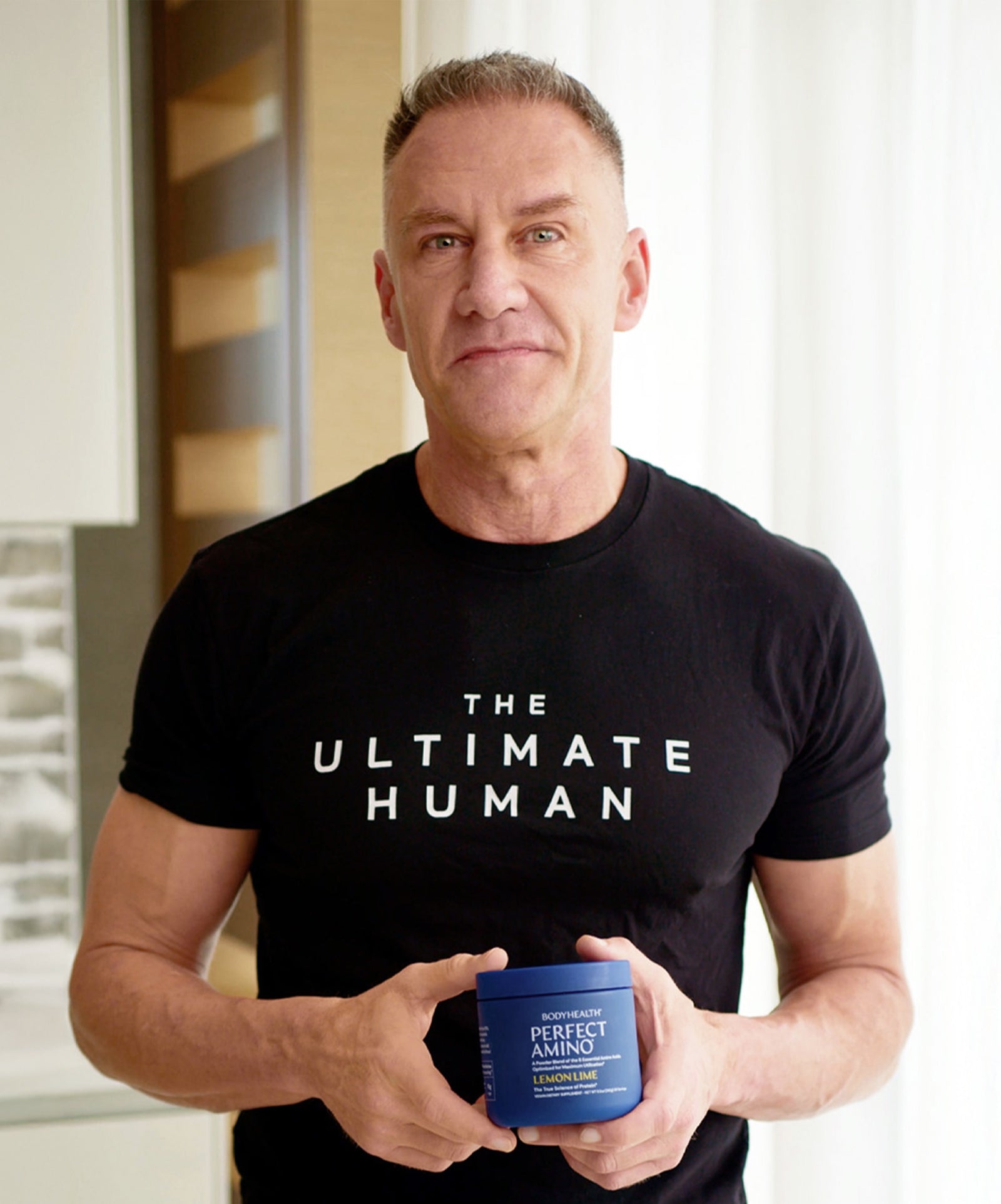

Gary Brecka
Human Biologist, Biohacker,
Longevity Expert


Dr. Amy Shah
MD and Nutrition Expert


Dr. Will Cole
Functional Medicine Expert


Dave Asprey
“The Father of Biohacking”,
Award winning Entrepreneur
The Perfect Amino Family
Shop all Perfect Amino products


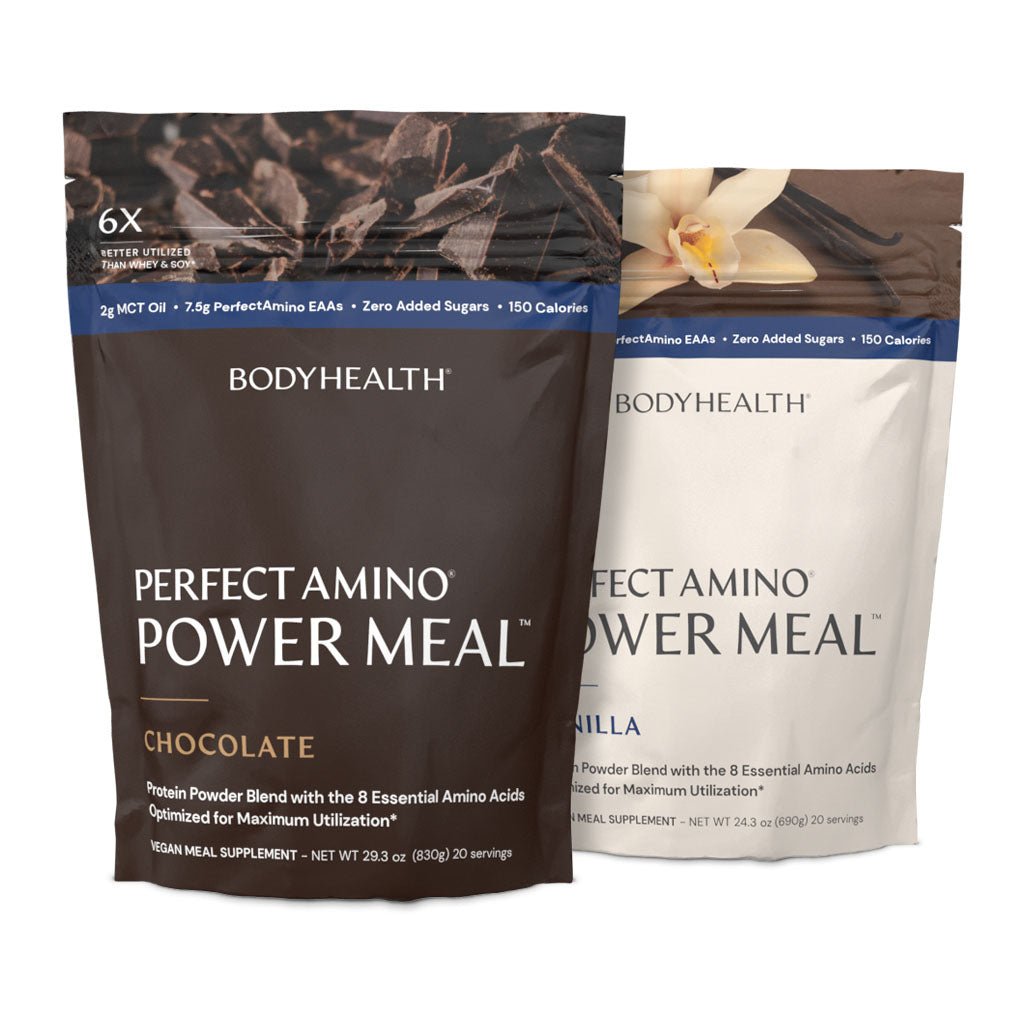


PROTOCOLS TO HELP YOU ACHIEVE YOUR GOALS
While BodyHealth has a complete line of supplements to help you in every aspect of daily health and fitness, we also have comprehensive guides and protocols addressing a wide range of issues and objectives to help you accomplish your goals.


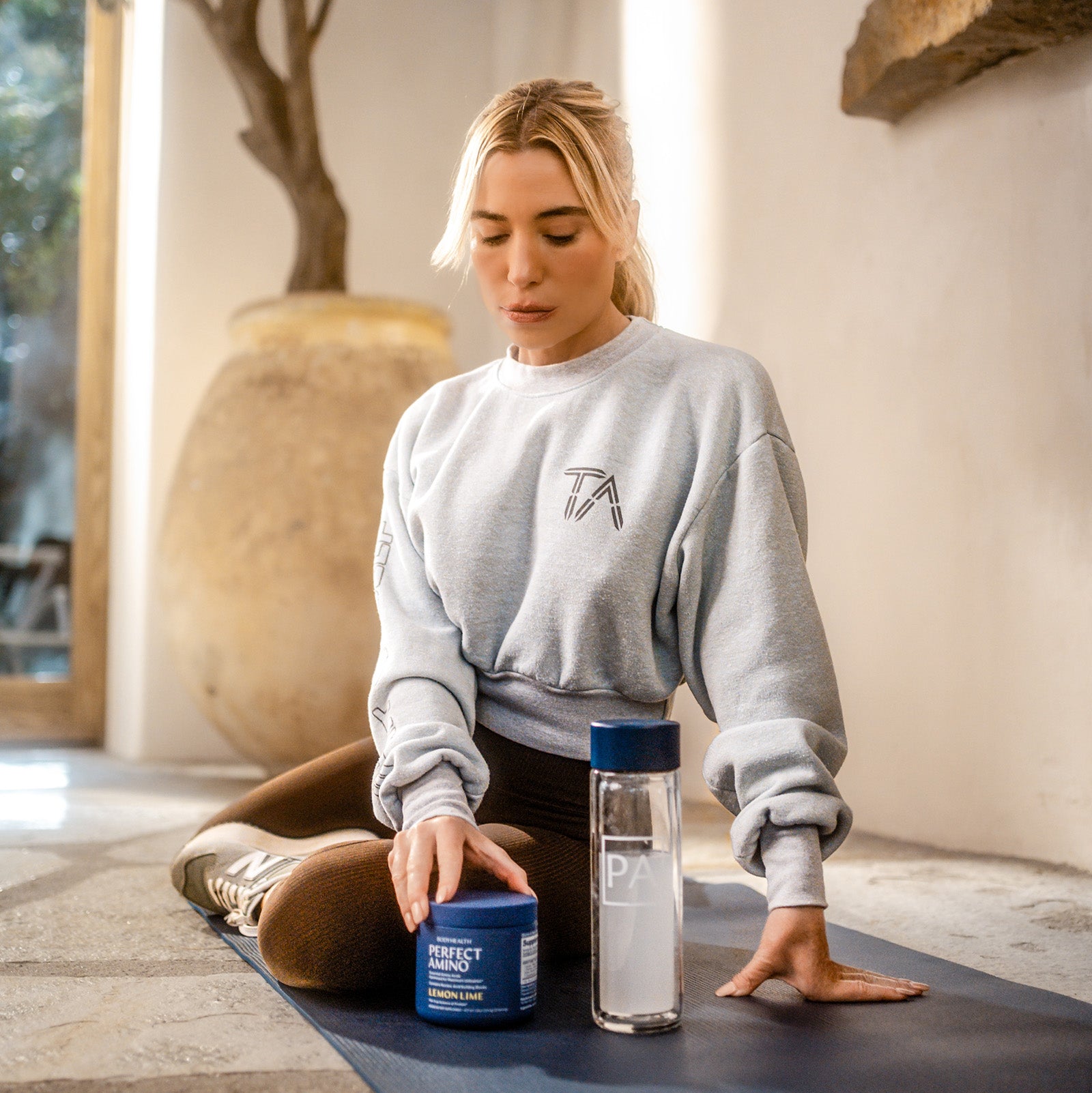

ENHANCED WITH PERFECT AMINO
BODYHEALTH is committed to bringing you a variety of products for daily health, many of which are enhanced with PERFECT AMINO to give you the extra benefit of Essential Amino Acids so you get even better results.


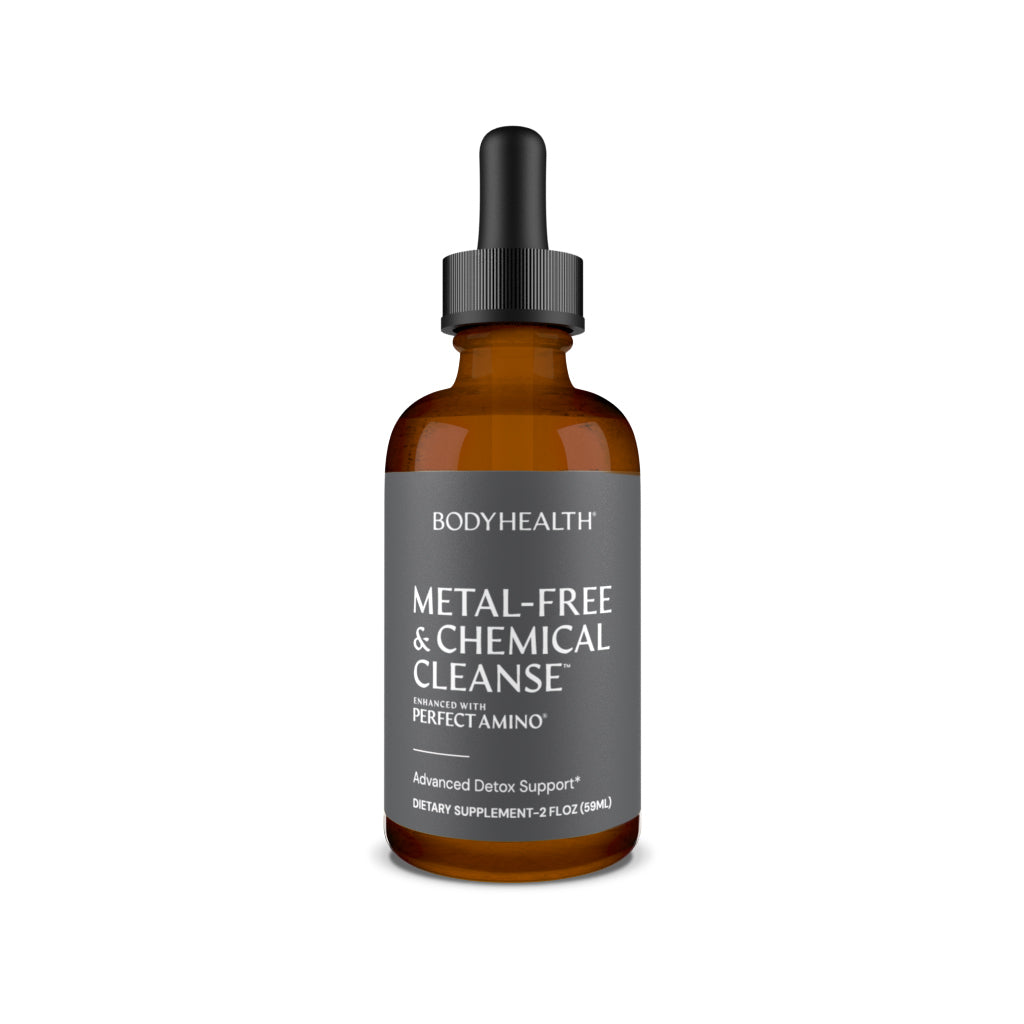


Backed by Experts. Used in Practice.


"Perfect Amino played a major role in helping me regain strength and add lean muscle after a recent injury. Its precise amino acid profile supports protein synthesis without extra calories, which is especially important as we age."
Mark Hyman, MD
Senior Medical Advisor at the Cleveland Clinic
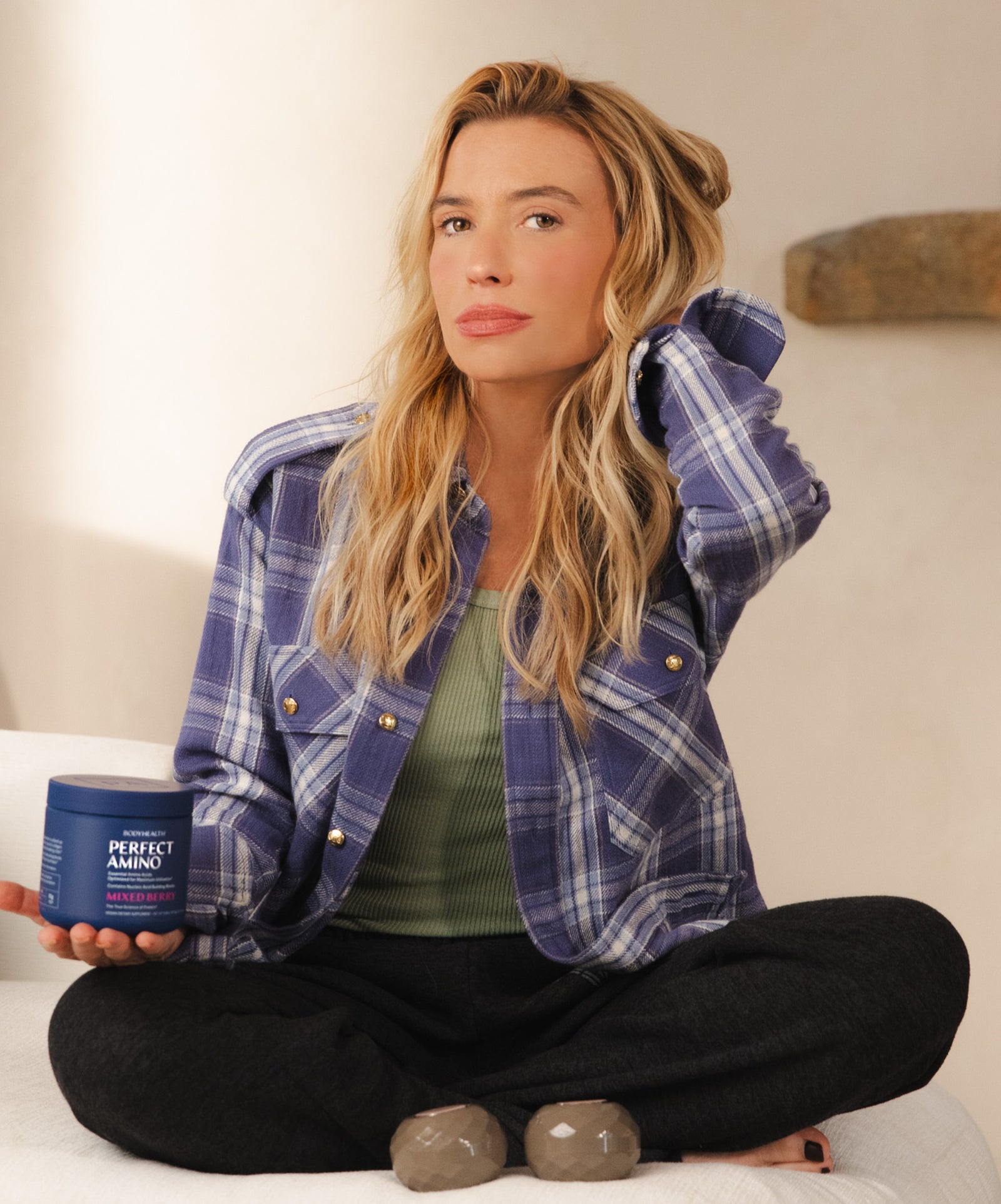

"I'm intentional about what I add to my routine. Perfect Amino offers the essential amino acids the body depends on, and I appreciate how it supports recovery and muscular integrity as part of a larger commitment to long-term health."
Tracy Andersen
Celebrity Trainer & Founder of the TA Method


"My training demands a lot, so my recovery has to keep up. Perfect Amino essential amino acids help support my body every step of the way, from first rep to full recovery. Simple, effective, and built for performance."
Anna Hall
World Champion Track & Field Athlete


"Perfect Amino is my nutritional anchor. I never worry about hitting my protein targets so I can perform better, build muscle, and recover faster."
Korey Rowe
Celebrity Trainer & Founder of KR Method
LEARN WITH US
At BodyHealth, we focus on living and sharing a holistic, health-oriented approach
View all health articles

LEARN WITH US
June 8, 2026 -
3 min read
What Causes Water Retention In The Feet & Ankles
Water retention is swelling in some part of the body, usually the feet and ankles, caused by large accumulations of fluid in the spaces between the body’s cells or in the blood vessels.
But it’s a symptom of something, not a condition in its own right.
And, while it can be caused by specific physical conditions of the kidneys, heart or circulatory system, most cases are actually due to lifestyles or diet, and they’re pretty easy to fix.
But there are many things that can cause this, so let’s jump in and see how this all works so you know what to do to help you.


LEARN WITH US
March 4, 2026 -
12 min read

